
Falls from height remain one of the most serious and preventable risks in the workplace. Despite advances in safety technology and awareness, incidents continue to occur across industries.
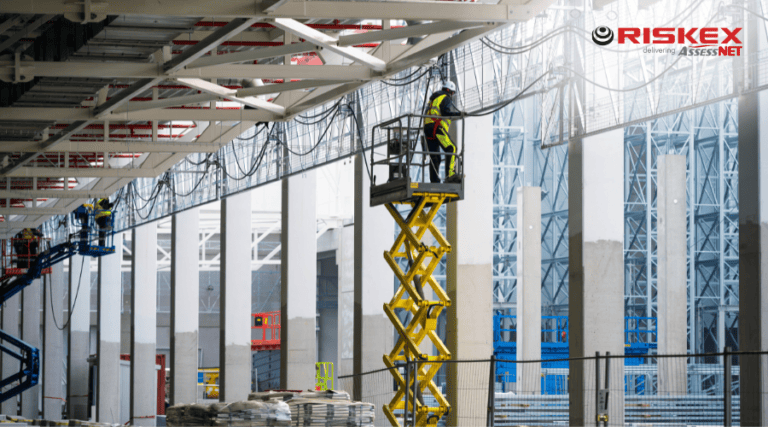
According to recent HSE data, falls from height are consistently the leading cause of fatal accidents at work, responsible for more than a quarter of all workplace deaths in Great Britain. The majority of these involve ladders, scaffolding, fragile roofs or unguarded edges, situations that are entirely avoidable when the right planning and control measures are in place.
These sobering statistics remind us that while regulations and guidance exist, what truly saves lives is the ability to plan, monitor and act in real time.
The real cost of falls from height
Beyond the tragic human impact, falls from height carry significant financial and operational consequences. Investigations, project delays, legal costs and increased insurance premiums can quickly compound the damage to both reputation and productivity.
In many cases, the root cause isn’t a lack of safety awareness but a lack of visibility and coordination. Safety teams are often managing multiple systems or manual processes, making it harder to track who’s been trained, which hazards are reported, and whether corrective actions have been completed.
This is where digital transformation makes a difference. With integrated health and safety management tools, organisations can not only meet compliance expectations but build smarter, data-led safety strategies that actively prevent falls from height.
Smarter planning starts with risk assessment
Effective planning begins long before anyone climbs a ladder or steps onto a roof. The foundation of any fall prevention strategy is a comprehensive risk assessment.
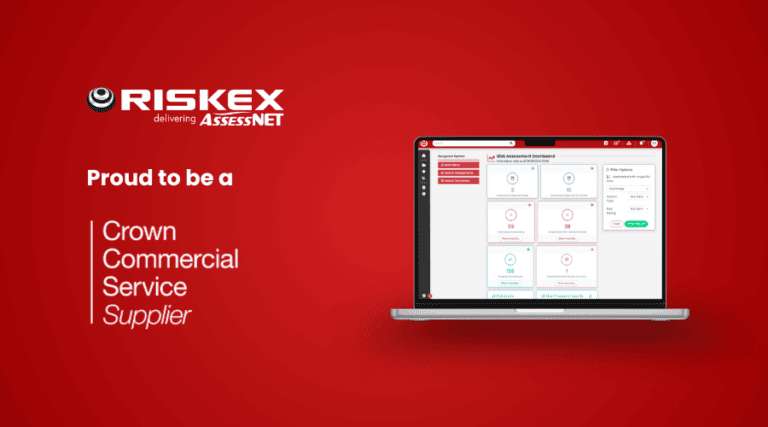
AssessNET’s Risk Assessment Module enables organisations to identify, evaluate and manage working-at-height risks with clarity and consistency. Managers can:
- Record and review risk factors such as task type, height, duration and environment
- Allocate control measures, from guard rails and platforms to fall arrest systems
- Monitor completion and sign-off in real time
- Keep an auditable trail of all assessments for accountability and compliance
By digitising this process, safety leaders gain instant visibility of which activities pose the greatest risk and can prioritise preventive actions accordingly.
Linking modules for smarter safety
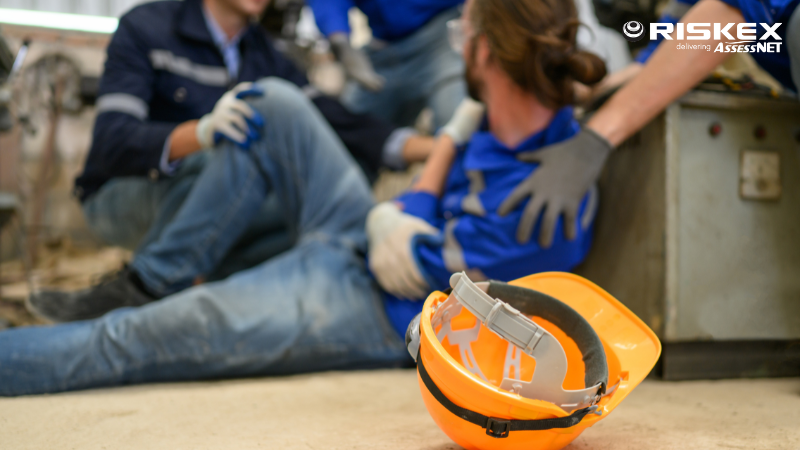
Every fall from height incident has a story — and usually, a sequence of missed opportunities. That’s why a modular but connected approach to safety management is so powerful.
AssessNET’s Hazard Reporting, Accident & Incident Management, and Risk Assessment modules can operate independently or be seamlessly integrated into one cohesive system.
For example:
- A reported unsafe ladder condition in the Hazard Reporting Module can trigger a review or update in the relevant Risk Assessment.
- If an incident does occur, it’s automatically logged within Accident & Incident Management, linking directly back to the associated task, equipment or control measure.
- Managers can analyse data across all modules to identify recurring patterns whether that’s a specific piece of equipment, location or contractor and take targeted action.
This connected workflow turns isolated safety checks into a proactive, continuous improvement loop. It helps ensure lessons are learned, actions are tracked, and future incidents are prevented.
Building a proactive safety culture
HSE guidance emphasises that all work at height must be properly planned, supervised and carried out by competent people. Digital systems make that principle achievable every day, not just on paper.
With AssessNET, organisations can:
- Standardise how risks are assessed and reviewed
- Share safety updates instantly across teams and sites
- Track training and competence for those carrying out high-risk tasks
- Demonstrate due diligence through detailed audit trails
Safer workplaces through smarter systems
Falls from height are preventable, but only if risks are identified, communicated and acted upon early. With AssessNET’s integrated digital tools, businesses can plan work at height more effectively, respond faster to hazards, and continually improve safety performance.
Whether using a single module or building a fully connected system, AssessNET helps organisations manage risk, protect their workforce and demonstrate genuine commitment to safety.
Book a demo of AssessNET today and see how smart safety planning can help you prevent falls from height and protect your people from harm.
Book a Demo

Most Common Workplace Health and Safety Risks – And How Digital Tools Can Help Mitigate Them
Frequently Asked Questions (FAQs)
How can smart planning help prevent falls?
Digital risk assessments and real-time reporting tools provide visibility into high-risk activities, helping managers implement preventive measures before accidents happen.
What HSE guidance applies to working at height?
HSE advises that work at height must be properly planned, supervised and carried out by competent people, with suitable equipment and control measures in place.
How does AssessNET support fall prevention?
AssessNET’s Risk Assessment, Hazard Reporting, and Accident and Incident Management modules help organisations identify risks, record actions, and monitor safety performance across all activities.
Can AssessNET’s modules be used separately?
Yes. Each module works independently but can also be integrated into a single system for a smarter, connected approach to managing workplace safety.