
When Was the Last Time You Checked Your First Aid Kit? Expiry Dates, Stock, and Ownership
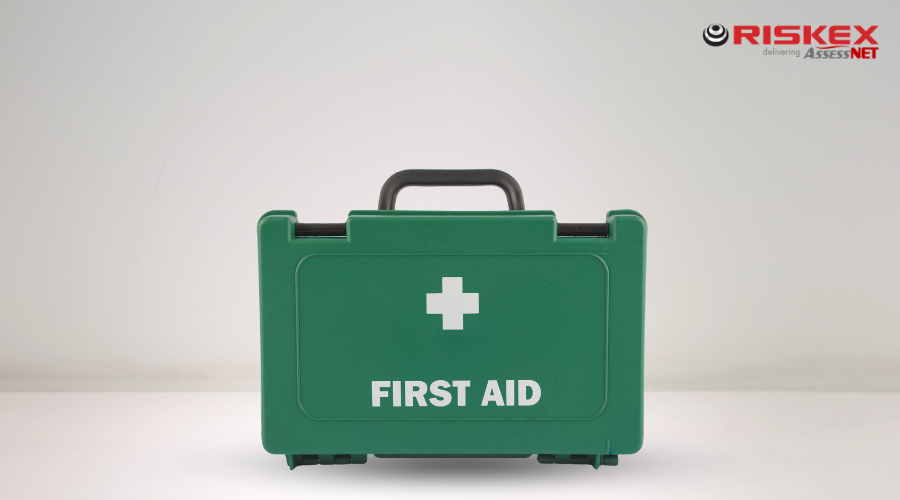
How many of us have checked our first aid kit and found out-of-date items? Or have you gone hunting for a plaster, only to find they have all gone and haven’t been replaced?
If these scenarios are familiar to you, read on for a few simple tips on ensuring that you keep on top of your legal obligations to ensure that as a minimum, you have:
- a suitably stocked first aid kit
- an appointed person or people to take charge of first aid arrangements
- information for all employees telling them about first aid arrangements
What “suitably stocked” means depends on your first aid needs assessment. If your work has higher-risk activities, multiple sites, shift work, lone working, or high footfall, the number of kits, their locations, and what’s inside them may need to be different from an office-only setup.
Do first aid kits have expiry dates?
Yes. Many first aid items are sealed as sterile. Over time, packaging seals can degrade and sterility can’t be guaranteed. That’s why manufacturers include expiry dates on items like plasters, dressings, bandages, wipes and gloves. If your kit has a date on the outside, it usually reflects whichever item inside expires first. Treat expiry checks as part of routine safety equipment maintenance, not an occasional tidy-up.
Who is responsible for checking the kit?
Ultimate responsibility sits with the employer, even if day-to-day checks are delegated to facilities, operations, health and safety, department leads, or first aiders. If ownership isn’t clear, the kit won’t be maintained consistently. Name an owner per kit location, define a check frequency, and make restocking part of the job, not a favour.
Refill vs replace
Buying pre-packed kits is simplest, but refilling is often more practical and less wasteful. Some items expire faster and some get used constantly (plasters, wipes, gloves). Keep a small refill pack nearby so checks result in immediate restock, not a future task that gets missed.
What to do with out-of-date supplies
Don’t use out-of-date sterile supplies for treatment. Dispose of and replace them. If you want to reduce waste, use expired stock for practice only: quick refresher drills, mock scenarios, or awareness sessions. Non-clinical groups (schools, art groups, animal shelters) may accept bandages for training or role-play, but only if they understand they are not for medical use.
Know your most used items
Your eye wash bottle may not be used very often, but your plasters usually are! So, think about installing plaster dispensers separately to your first kit and checking them more regularly.
Make sure your first aid boxes can be easily accessed and opened
It may sound obvious, but just because you can reach the first kit, can someone else who is shorter or disabled do so? And what about tamper-evident seals? If you use them, can they be unsealed quickly in the event of an emergency?
Check your first aid boxes regularly. Certainly every three months but more often of they are used frequently.
Ensure that the contents are relevant and suitable for your operations
The contents of your first aid kit may need to be adjusted in accordance with your first aid needs assessment, based on the specific needs of your workplace, so be sure to evaluate your kit on a regular basis and make any necessary changes. As a minimum, the HSE advises that the following are included:
- a leaflet with general guidance on first aid (for example, HSE’s leaflet Basic advice on first aid at work
- individually wrapped sterile plasters of assorted sizes
- sterile eye pads
- individually wrapped triangular bandages, preferably sterile
- safety pins
- large and medium-sized sterile, individually wrapped, unmedicated wound dressings
Making the time to check and maintain your first aid kit is a small but important step in ensuring that your workplace is prepared for any emergency. By following the guidelines set out by the Health and Safety (First-Aid) Regulations 1981 and regularly checking your kit, you can help to ensure that your employees are safe and that you are prepared to handle any injuries that may occur.
You can find further HSE guidance here.
Make first aid kit checks simple with AssessNET’s Logbook module
Paper check sheets work until they get missed, lost, or completed after the fact. A digital logbook turns first aid kit checks into a repeatable routine with clear ownership and an audit trail.
Use a first aid kit checklist to:
- assign a named owner per kit and location
- capture check date, condition, and photos if needed
- record expiry dates and flag items due to expire soon
- log restocks and what was replaced (and why)
- prove checks are happening across sites, shifts, and vehicles
If your first aid needs assessment changes, you can update the checklist once and roll it out everywhere, so every kit is checked the same way every time.