The Most Common Workplace Health and Safety Risks – And How Digital Tools Can Help Mitigate Them
Eryn Hanby
LinkedIn
Facebook
Email
In every organisation, safety is the foundation of operational success. From construction and manufacturing to education, healthcare and hospitality, workplaces across the UK face a complex and evolving mix of risks.
While many hazards are physical such as falls, exposure to substances or lone working, others are psychological, cultural or even security-related. The modern workplace demands safety my management that is connected, data-driven and people-focused.
According to the Health and Safety Executive (HSE), the UK loses millions of working days each year due to work-related ill health and injury. These incidents don’t just affect individuals, they impact productivity, morale, reputation, and compliance.
The good news is that digital tools are redefining how safety is managed. With platforms like AssessNET, organisations can monitor, assess and respond to workplace risks more efficiently and transparently than ever before.
This article explores 12 of the most common workplace health and safety risks, and how digital tools can help reduce them.
Why Workplace Safety Matters
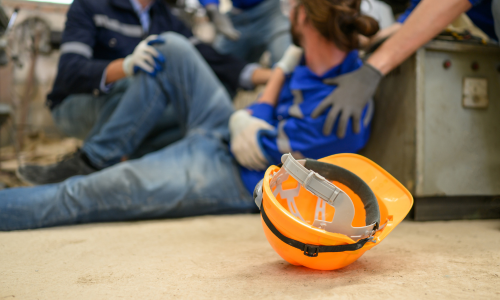
Each year, thousands of workers across the UK are injured or made ill due to avoidable workplace hazards. According to the HSE, common risks like slips and trips, manual handling injuries, exposure to harmful substances, and work-related stress continue to top the list of reported incidents.
The consequences of poor safety management for organisations is also severe. For employers, the cost of workplace incidents includes not only legal penalties and insurance claims, but also increased absenteeism, lost productivity, and reputational damage. Businesses are also held accountable under the Health and Safety at Work Act 1974, which requires them to take “reasonably practicable” steps to protect employees and others affected by their work.
What’s more, the growing emphasis on Environmental, Social, and Governance (ESG) performance means that safety is now a board-level issue. Investors, clients, and staff alike expect organisations to demonstrate a clear commitment to safeguarding their people, and digital tools make it easier than ever to do so.
How digital tools enhance workplace safety
Digital safety management platforms such as AssessNET offer a comprehensive solution to many of the challenges facing health and safety professionals today. They remove the inefficiencies and inconsistencies of manual systems, providing real-time visibility into risk levels, compliance status, and incident trends.
With digital tools, organisations can:
Conduct and track risk assessments more efficiently
Manage incidents and near-misses with automatic workflows
Assign and monitor training and competency records
Generate reports to identify trends and inform decision-making
Ensure legal compliance and prepare for audits
Improve communication across multilingual and remote teams
And these are just some examples of what a health and safety management system can help with.
Crucially, these tools also empower employees by making safety more accessible. Whether it’s reporting a hazard from their phone or completing a training module from home, workers are more likely to engage when processes are simple and intuitive.
Let’s explore how digital tools help mitigate the most pressing risks facing UK workplaces today.
1. Slips, Trips and Falls
Slips, trips and falls are the most commonly reported workplace incidents across virtually every sector, from construction and manufacturing to retail and healthcare. While they may seem minor, these accidents often result in serious injuries such as fractures, head trauma or long-term mobility issues — and are a leading cause of employer liability claims.
How digital tools help:
Employees log hazards instantly via mobile
Upload images or videos for faster action
Built-in risk scoring and trend analysis
Action tracking to ensure follow-through
One of the most effective ways to prevent these incidents is to ensure hazards are reported and resolved quickly. With AssessNET’s Hazard Reporting Module, employees can easily log issues as they see them, directly from their mobile device or desktop. Reports can include photos or videos, ensuring a clearer understanding of the situation and enabling quicker response.
The module also features built-in risk rating, dashboards and trend analysis, giving health and safety teams real-time insights into recurring issues or high-risk areas. This allows for faster corrective action and data-driven improvements. The result is not just compliance, but a truly proactive and engaged safety culture.
Blog: Identifying and Eliminating Common Causes of Slips, Trips, and Falls
Manual handling is another significant contributor to workplace injuries, particularly musculoskeletal disorders (MSDs). These can develop over time due to poor technique or repetitive strain and often result in time off work, reduced productivity, and long-term health problems.
How AssessNET helps:
Tailored manual handling assessments
Upload supporting images and documentation
Link assessments to incidents for full traceability
Fast, low-admin workflows for frontline staff
Full compliance with ISO 45001 and HSG65
Even when training is provided, applying good lifting practice in the real world is challenging — especially under pressure. That’s why digital tools like AssessNET’s Manual Handling Module are invaluable. They reinforce safe working practices and allow organisations to build robust, tailored risk assessments.
The module enables teams to apply risk matrices that align with company policies, capture supporting evidence through images or notes, and link manual handling assessments with related incidents. With full version control, the system supports compliance with ISO 45001 and HSG65 frameworks. Most importantly, it’s quick and intuitive to use, which means assessments are more likely to be completed — and actioned.
Blog: Training Methods for Correct Lifting Techniques
Beyond manual handling, musculoskeletal disorders can also result from poor workstation setups, especially in office-based and remote roles. These injuries may affect the back, shoulders, neck, or wrists, and they often develop slowly, making early detection critical.
Digital solutions enable:
Regular DSE assessments
Ergonomics checklists for remote or hybrid teams
Early flagging of potential issues
Custom reporting to spot organisation-wide patterns
Digital DSE (Display Screen Equipment) assessments are now standard in many organisations, allowing employees to self-assess their workstations. Tools like AssessNET provide structured surveys, flag issues automatically, and guide both staff and managers toward ergonomic improvements. By identifying early warning signs and implementing changes quickly, businesses can reduce the long-term impact of these injuries.
Being struck by a moving object remains one of the most common causes of workplace injury in the UK. According to HSE data, it regularly ranks among the top three non-fatal accident types reported under RIDDOR. These incidents can range from minor contact with moving equipment to severe, life-changing injuries caused by vehicles, loads, or machinery.
The risks are particularly high in warehousing, manufacturing, construction, logistics, and agriculture, where moving vehicles, materials, or machinery are part of daily operations.
Common causes include:
Inadequate segregation between people and vehicles
Poor visibility or lighting
Unsafe stacking or storage of materials
Faulty equipment or a lack of preventative maintenance
Insufficient supervision or training
Digital tools make it easier to identify and control these hazards before they cause harm. With AssessNET’s Risk Assessment and Hazard Reporting Modules, organisations can:
Record and evaluate all activities involving moving machinery or vehicles
Attach photos, maps, and notes to highlight key risk zones
Track corrective actions and assign responsibility for follow-up
Analyse patterns in hazard reports or near misses to prevent recurrence
Integrating Training Management ensures employees and contractors receive appropriate instruction on vehicle movement, pedestrian safety, and site protocols.
Blog: Preventing Struck by Moving Object Incidents
Work-related stress, depression and anxiety remain the leading causes of occupational ill health in the UK. HSE figures consistently show these conditions account for around half of all new work-related illnesses.
For employers, the implications are significant — reduced productivity, higher absenteeism and increased turnover, not to mention potential breaches of legal duty under the Health and Safety at Work Act 1974.
Digital tools now make it easier to take a proactive approach to mental health. AssessNET’s self-assessment module enables employees to complete wellbeing check-ins, helping managers identify areas of concern before they escalate.
Data-driven insights highlight trends across departments, while dashboards track improvements over time. Beyond compliance, this demonstrates genuine care and builds a culture of openness — essential for reducing stigma and promoting psychological safety.
Digital support includes:
Wellbeing dashboards
Anonymous surveys for honest feedback
Workload monitoring
eLearning to train managers on mental health
Blog: Promote Mental Wellbeing Through Smart Monitoring
Lone working is common across many industries, from community care and delivery services to maintenance, retail, and field engineering. Being alone introduces unique risks: limited supervision, slower response in emergencies and increased vulnerability to violence or accidents.
The HSE’s guidance on lone working stresses the importance of clear risk assessments, communication procedures and competency checks.
Using digital risk assessment and incident management tools, employers can assess lone working scenarios systematically. AssessNET’s Risk Assessment Module helps identify potential hazards, assign controls and ensure regular review.
Managers can attach supporting documents and images, issue automatic alerts when conditions change, and make completed assessments instantly accessible to remote staff via the Employee Portal.
When integrated with modules like Incident Management and Training Management, organisations can build a complete lone working framework — from hazard identification to incident response and continuous improvement.
Blog: Protect Lone Workers with Integrated Digital Tools
Exposure to hazardous substances is a serious concern in many workplaces — from chemicals in laboratories to cleaning agents in commercial facilities. The UK’s Control of Substances Hazardous to Health (COSHH) regulations require organisations to assess and control exposure risks.
AssessNET’s CoSHH tools offer:
AI-powered SDS data entry
Fast, accurate COSHH assessments
Centralised hazardous substance register
Instant access to SDS for all employees
AssessNET’s CoSHH/SDS software transforms how businesses manage these requirements. Using AI-powered automation, the platform can extract key information from Safety Data Sheets in seconds, saving time and reducing errors. The digital platform ensures that up-to-date SDSs are accessible to staff at all times and that risk assessments are completed and reviewed regularly.
By simplifying COSHH compliance, the software empowers teams to make safer decisions in real time.
Blog: Simplify COSHH Compliance with AI and Digital Tools
Competence is the foundation of workplace safety. No matter how strong your processes or controls are, they rely on employees having the skills, knowledge and confidence to apply them correctly.
In every sector accidents often stem not from a lack of intent, but from gaps in training or inconsistent competency tracking. Under UK regulations, employers have a duty to ensure workers are competent for the tasks they perform and to be able to demonstrate that competence.
Traditional training systems, based on spreadsheets or scattered records, make this difficult. They often lead to missed refresher dates, outdated certifications, and poor visibility of who is qualified for what.
Digital tools deliver:
Automated training assignments
Integrated eLearning access
Competency dashboards and reports
Certification tracking with expiry alerts
AssessNET’s Training Management Software and integrated eLearning platform solve this challenge by centralising training records and automating reminders. Health and safety managers can easily assign courses, track completions, and generate reports to demonstrate compliance.
eLearning also supports a more engaged and better-prepared workforce, offering consistent messaging and flexible access. Whether staff are onboarding, refreshing their knowledge, or learning new procedures, digital training ensures the information sticks and gets used.
Blog: Build Competency and Smarter Safety Training Systems
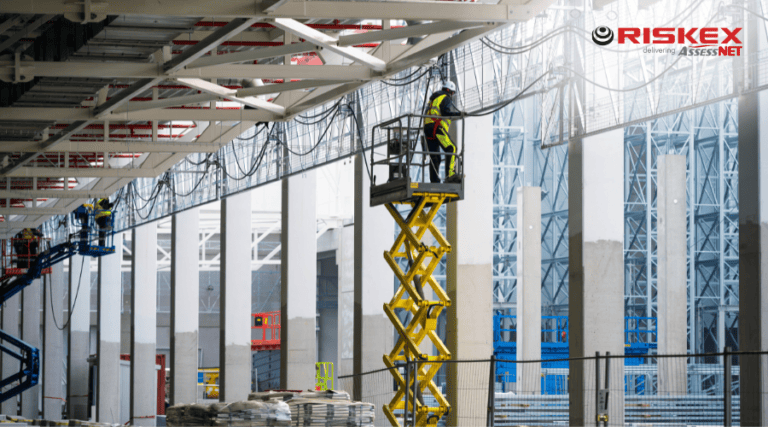
Falls from height remain the leading cause of fatal workplace accidents in the UK, accounting for nearly a quarter of all deaths investigated by the HSE each year. They occur in both high-risk industries like construction and lower-risk environments such as warehousing and maintenance.
Common causes include unstable equipment, inadequate supervision, or failure to plan tasks correctly. The Work at Height Regulations 2005 require employers to plan, supervise and carry out work safely with competent staff and suitable equipment.
Digital risk assessments and inspection checklists within AssessNET help organisations systematically identify hazards such as fragile surfaces, ladder use and access points.
Automated reminders ensure regular reviews, while attached photos and notes create auditable evidence of compliance. Combining these tools with Training Management ensures that only qualified workers perform high-risk tasks — reducing the likelihood of incidents.
While rare, the threat of workplace terrorism or security incidents cannot be ignored, particularly in public-facing roles or critical infrastructure. Employers must ensure staff know how to respond in the event of a threat — and that communication systems can support rapid coordination.
Physical security has become an integral part of workplace safety. Following the introduction of Martyn’s Law (the Terrorism (Protection of Premises) Bill), organisations across the UK must now take reasonable measures to protect people from potential acts of terrorism.
Digital tools help with:
Emergency comms and lockdown alerts
Location tracking
Pre-planned response workflows
AssessNET’s Risk Assessment Module helps organisations assess vulnerabilities, document mitigation strategies and maintain traceability for audits.
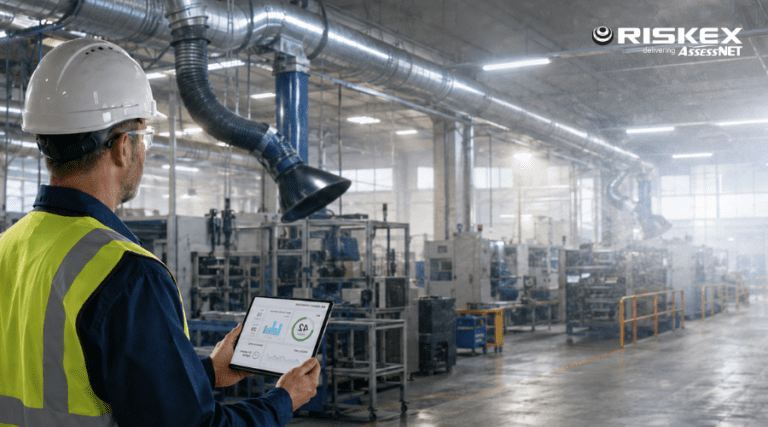
Occupational lung disease remains one of the most serious long-term health challenges in the workplace. HSE estimates suggest around 12,000 deaths each year are linked to past exposure to dust, fumes and chemicals.
From silica dust and welding fumes to cleaning agents and flour dust, airborne particles and vapours can lead to chronic obstructive pulmonary disease (COPD), asthma, and silicosis.
Effective management begins with accurate assessment and control under COSHH (Control of Substances Hazardous to Health).
Together with Hazard Reporting, this allows for early identification of issues such as dust build-up or ventilation failure, turning data into preventative action.
As UK workplaces become more diverse, language and cultural barriers have become a growing safety consideration. Workers whose first language is not English (ESL) may struggle to understand critical health and safety information, a factor that can lead to confusion, non-compliance, or injury.
HSE guidance highlights the importance of multilingual training, visual communication, and confirmation of understanding.
AssessNET’s multilingual interface and language packs help bridge this gap. The system can be translated into multiple languages, allowing workers to access safety procedures, COSHH assessments, method statements, and hazard reports in their preferred language.
Blog: Support ESL Workers with Inclusive Safety Tools
The role of digital transformation in modern safety leadership
Each of these workplace risks is distinct, but they share a common solution: the need for visibility, consistency, and accountability.
Digital safety management platforms replace manual processes and fragmented spreadsheets with a centralised system of record. They allow safety leaders to:
Identify patterns across departments or sites
Track performance metrics in real time
Automate reminders, updates and reviews
Ensure documentation is complete, current and auditable
Engage employees through accessible portals and mobile tools
For decision-makers, this transformation is not just operational — it’s cultural. A connected, transparent safety system demonstrates genuine commitment to staff wellbeing and compliance, aligning with HSE expectations for proactive leadership.
Empower Your Team. Protect Your Business.
Preventing workplace incidents requires more than just policies and paperwork. It demands real-time visibility, consistent communication, and a workforce empowered to speak up and take action. By integrating digital tools into your safety strategy, you can shift from reactive risk management to proactive safety leadership.
Whether you’re dealing with slips and trips, hazardous substances, or lone working challenges, platforms like AssessNET give you the tools to identify, assess, and mitigate risks — efficiently and at scale.
In an age where both compliance and care matter more than ever, digital safety solutions are not just helpful — they’re essential.
Book a personalised demo of AssessNET and see how it can help mitigate risk, improve compliance, and protect your people.
Frequently Asked Questions (FAQs)
What are the most common workplace health and safety risks in the UK?
The most common UK workplace risks include slips, trips and falls, manual handling injuries, work-related stress, hazardous substance exposure, and falls from height, according to the HSE.
How can digital tools reduce health and safety incidents?
Health and safety software automates risk assessments, streamlines reporting, and offers real-time visibility, which then helps organisations prevent accidents and respond faster.
Is digital safety software like AssessNET suitable for SME businesses?
Yes. AssessNET is scalable and ideal for SMEs, offering modular tools that grow with your team and meet compliance needs across any size organisation.
Is it legally required to use health and safety software in the UK?
Digital safety tools aren’t legally required, but they help demonstrate compliance with UK laws like the Health and Safety at Work Act 1974 and standards such as ISO 45001.
How do digital platforms manage training and competency tracking?
Platforms like AssessNET provide a training management platform, allowing you to assign, monitor, and track training, send expiry alerts, and maintain compliance records.
How can digital tools support workers with English as a second language?
Digital health and safety platforms like AssessNET support multilingual workforces by offering language packs in a variety of commonly spoken languages worldwide.
How long does it take to implement a digital health and safety system?
Implementation can take just a few weeks. AssessNET offers expert support to help you configure modules and onboard your team quickly.
Where can I learn more about AssessNET features and pricing?
Explore the full range of AssessNET modules or book a demo to speak with a specialist about your organisation’s specific safety needs.