
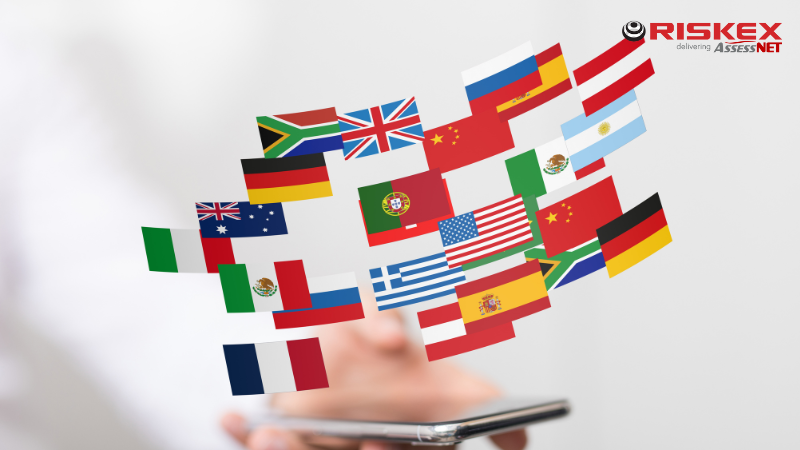
Today’s workplaces are more diverse than ever, with teams made up of people from many linguistic and cultural backgrounds. This diversity brings valuable skills and perspectives, but it also introduces new challenges in communication, especially when it comes to health and safety.
For workers whose first language is not English, safety procedures, hazard warnings and training materials can sometimes be difficult to understand. Miscommunication in these areas can be dangerous.
That’s why inclusive, multilingual safety systems like AssessNET are transforming how organisations support their teams. With built-in language packs, AssessNET allows users to navigate the platform, complete forms and access documentation in a variety of languages. It ensures that every worker, regardless of background or language level, can fully understand the safety information that protects them.
Understanding the needs of ESL and migrant workers
ESL (English as a Second Language) and migrant workers often face barriers that go beyond language, including unfamiliar regulations, different safety cultures, and varied interpretations of workplace risks.
Before employment begins, it’s essential that organisations assess each worker’s competence and communication needs, considering:
- English language skills and literacy levels
- Vocational qualifications and experience in similar industries
- Familiarity with British health and safety expectations
Providing this support early builds confidence, reduces risk, and shows genuine care for staff wellbeing.
Using multilingual safety tools for better communication
AssessNET’s multilingual interface ensures that essential safety information is accessible to everyone. Workers can switch languages within the platform, making it easier to read, report and engage with key safety documentation.
Connecting safety modules for multilingual workforce visibility
While multilingual access is vital, it’s equally important that safety information is accurate and connected. AssessNET’s modular design allows businesses to build systems that fit their needs, starting small and expanding as they grow.
- The Hazard Reporting Module enables workers to report unsafe conditions or near-misses in their own language, ensuring no issue is overlooked.
- The Risk Assessment Module provides managers with a clear overview of hazards, control measures and responsibilities, accessible across teams and regions.
- The CoSHH and SDS Module ensures everyone can understand chemical safety data and exposure controls, reducing the risk of respiratory and skin conditions.
- The Method Statement and Permit to Work Modules help ensure workers only perform tasks they’re qualified and trained for, with documents accessible in multiple languages.
Together, these modules create an integrated, inclusive system where every worker has equal access to safety information and accountability tools.
Building safety trust and confidence across diverse teams
When workers understand the information that keeps them safe, they are more likely to follow procedures, report hazards and engage proactively with safety initiatives. Employers, in turn, benefit from fewer incidents, stronger compliance and a more unified workforce.
Empower your workforce with inclusive technology
Language should never be a barrier to safety. With AssessNET’s multilingual system and modular design, every member of your team can access, understand and act on critical health and safety information.
Book a demo of AssessNET today and see how inclusive digital safety tools can help protect and empower your workforce.
Book an AssessNET Demo

Most Common Workplace Health and Safety Risks – And How Digital Tools Can Help Mitigate Them
Frequently Asked Questions (FAQs)
Why is language important in workplace safety?
Clear communication is vital to preventing accidents. Workers who understand instructions and hazards are more likely to follow procedures correctly and report issues early.
How does AssessNET support ESL and migrant worker safety?
AssessNET includes multilingual language packs that let users view and complete forms, access data sheets and report hazards in their chosen language.
How can inclusive digital tools improve safety culture?
When workers feel understood and included, they engage more fully in safety processes, leading to fewer incidents and a stronger sense of trust across teams.