
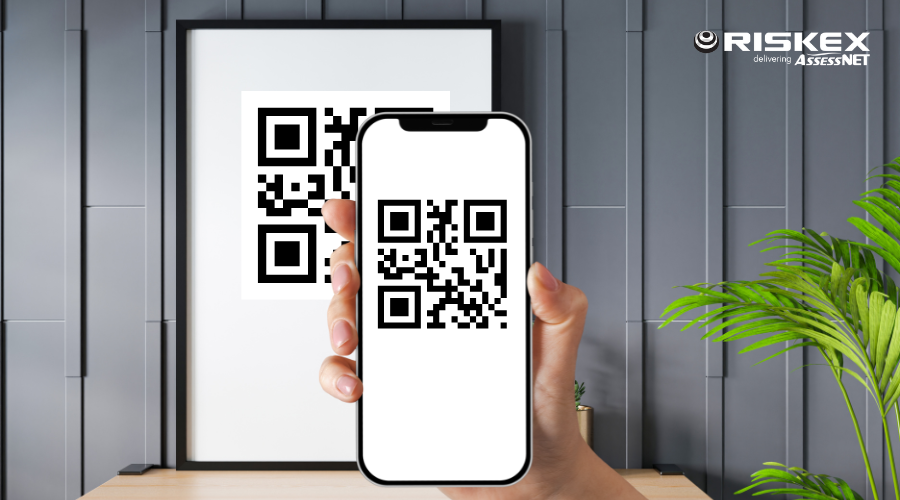
QR codes have rapidly moved from a convenience tool to a core component of modern health and safety management. With near-universal smartphone access, QR codes give employees, contractors, and visitors the ability to access critical information instantly without logging into systems, searching for documents or having to access paper-based documentation.
For health and safety teams, QR codes also offer a low-cost, high-impact way to improve engagement, encourage reporting, and ensure up-to-date information is always at hand.
As safety expectations continue to evolve, organisations that embrace QR-driven workflows are creating safer, smarter, and more connected workplaces.
Practical Ways to Use QR Codes in Health & Safety
Below is an expanded list of practical, high-value use cases, many of which mirror how organisations are already leveraging QR codes within AssessNET.
1. Emergency Response Information
Place QR codes in strategic and highly visible areas, such as fire points, exit routes, and muster stations linking directly to:
- Evacuation maps
- Emergency contacts
- First aiders and fire wardens
- Localised emergency procedures
This should always complement, not replace, printed information in this case. Wall posters and printed action cards are still essential, especially if someone doesn’t have their phone to hand or signal is poor.
The benefit of adding QR codes is that people can quickly pull up a digital copy on their own device, save it, or download a PDF version to keep. That way, they’re not reliant on walking back to a noticeboard in a crisis. They’ve got the key information with them, wherever they are on site.
2. Training and on-demand learning
Replace lengthy induction packs or forgotten handouts by linking QR codes to:
- E-learning modules
- Safety induction videos
- Toolbox talks
- Step-by-step instructional content
This supports micro-learning, keeping training accessible at the point of need.
3. Hazard and incident reporting
QR codes can drive employees or visitors straight to mobile-friendly reporting form, removing barriers that typically discourage reporting. This leads to more timely submissions, richer data quality, increased transparency and stronger reporting culture.
4. Digital safety policies and procedures
Link QR codes to your most up-to-date policies, safe systems of work, method statements, manuals and work instructions. No more outdated paper versions circulating across sites.
5. Equipment checklists and inspections
Attach QR codes to tools, machinery, vehicles, and first aid kits to allow employees to:
- Complete inspection checklists
- Log defects
- Record issues instantly
- View inspection history
This significantly reduces admin and ensures traceable, auditable compliance.
6. PPE guidance and correct usage
QR codes on PPE lockers or equipment bags can link workers to:
- Fit-testing guidance
- Correct donning and doffing procedures
- Replacement requests
Helping employees access information at the exact moment they need it.
7. Safety Data Sheets (SDS) and hazard information
In environments using chemicals or hazardous substances, QR codes can:
- Link directly to SDS
- Replace bulky binders
- Support CoSHH compliance
- Improve response times in an emergency
Keeping essential information accessible and controlled.
8. Verification of training and competency
QR-enabled competency checks allow managers to quickly view information such as expiry dates, qualifications, training completions and competency validations. This is ideal for contractors, agency workers, and multi-site operations.
9. Visitor and contractor safety information
At entrances or sign-in points, QR codes can provide:
- Induction videos
- Site rules
- Hazard maps
- Speed limits
- Emergency arrangements
Helping organisations maintain compliance and ensure consistency.
10. Interactive safety campaigns & behavioural safety
Make safety communication more dynamic by placing QR codes on materials like posters, digital screens, lockers, signage in breakout areas etc. Link to rotating content like safety tips, wellbeing messages, near-miss campaigns, and climate-related safety alerts.
11. Asset tracking and preventive maintenance
QR codes support maintenance teams by enabling:
- Scheduled service logs
- Digital defect reporting
- Maintenance history access
- QR-triggered work orders
This can reduce downtime and ensure critical equipment stays safe and compliant.
12. Wellbeing and mental health resources
QR codes can discreetly provide information such as support line details, HR wellbeing resources, mindfulness content and access to resources like stress self-assessment tools.
How AssessNET Integrates QR Codes Across Safety Management
AssessNET takes QR code functionality beyond static links, embedding it into configurable workflows that support continuous compliance.
With AssessNET, organisations can:
- Streamline hazard reporting – QR-linked digital forms make it easy for anyone on site to report hazards, incidents, or near misses.
- Automate inspection routines – QR-enabled checklists ensure inspections (e.g., equipment, first aid kits, fire extinguishers) are completed consistently and logged automatically.
- Deliver micro-learning on demand – Link QR codes to training, guidance, and multimedia content directly from AssessNET’s documents.
- Strengthen audit trails – Every scan, submission, and action is timestamped, creating a robust and defensible audit trail.
- Improve adoption – By removing barriers, employees become more likely to engage proactively with safety processes, boosting overall compliance.
Together, this creates a frictionless safety ecosystem—available on any device, anywhere.
The Future of QR Codes in Workplace Safety
QR codes are becoming a foundational component of connected safety systems, real-time risk management and smarter workplaces.
Forward-thinking organisations are already using QR codes to:
- Automate repeatable tasks
- Enhance safety visibility
- Improve employee engagement
- Reduce admin and paperwork
- Support compliance with ISO 45001 and HSE expectations
As organisations move toward digital-first safety strategies, QR codes will remain a highly accessible, low-cost solution that delivers immediate value.
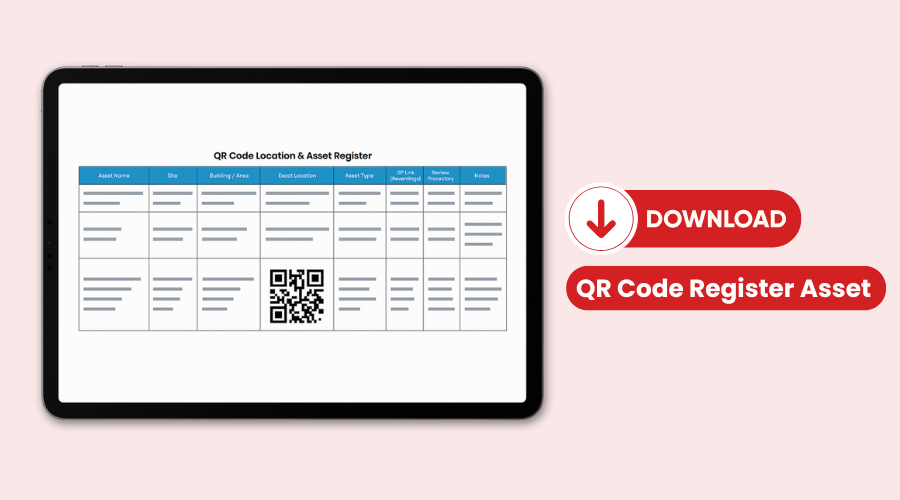
Do you already use QR codes but struggle to keep track of what’s where – and who owns it? Or are you just starting out and want to get organised from day one?
Download our QR Code Location & Asset Register (Excel template) to log every code, location and link in one place, so your QR rollout stays structured, auditable and easy to manage.